

Risky EV Business | The Dangers of Lithium Batteries
As the world transitions to electric vehicles (EVs), one of the key challenges is building out the necessary infrastructure to support them. This includes installing electric vehicle chargers in homes and public spaces. While this is a positive development for the environment, it also brings with it some emerging risks that need to be addressed. In this article, we'll explore the potential risks associated with EV chargers and public liability.
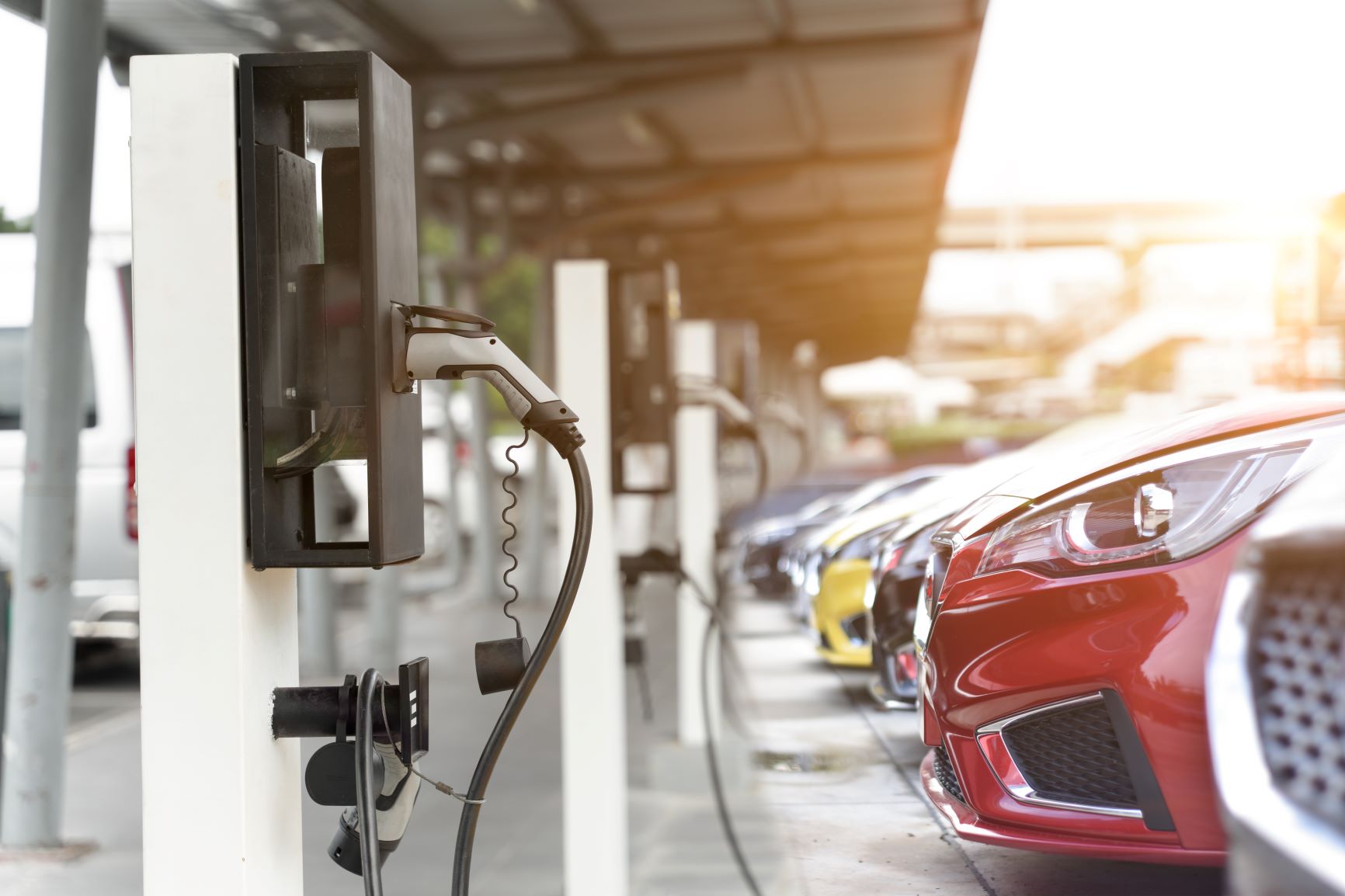
First, it's important to understand what an EV charger is and how it works. An EV charger is an electrical device that is used to recharge an electric vehicle's battery, which commonly contains lithium and has risks that can be both related and separate to EV chargers. An EV charger is typically installed in a public space such as a parking lot or on the street. When an electric vehicle is plugged into a charger, it draws electricity from the grid and uses it to recharge the vehicle's battery.
One of the key risks associated with EV chargers is the potential for electrical hazards. The high voltage and current involved in charging an electric vehicle can be dangerous if not handled properly. If an EV charger is not installed or maintained correctly, it can pose a risk to the public.
For example, a faulty charger could cause an electric shock or a fire, which could result in injury or property damage. Additionally, if an EV charger is installed in a location where it obstructs pedestrian or vehicular traffic, it could lead to accidents or injuries. According to a recent article published on ABC News, there have been 27 house fires in QLD linked to electric vehicles this year alone, which is a rising concern for fire emergency services. The fact that these are not normal fires and householders and buildings are generally unprepared for the risks associated with them is the main cause for concern.
Another risk associated with EV chargers is cyber threats. EV chargers are connected to the internet, which makes them vulnerable to cyber-attacks. Hackers could potentially access the charger's system and take control of it, causing it to malfunction or even overcharge the battery, which could result in an explosion or fire.
In terms of public liability, there are several issues that need to be addressed. If an individual is injured or their property is damaged as a result of a faulty EV charger, the owner of the charger could be held liable. This could be the manufacturer of the charger, the owner of the property where the charger is installed, or the operator of the charging network.
To mitigate these risks, it's important for EV charger manufacturers, installers, and operators to follow strict safety protocols. This includes conducting thorough safety inspections, regular maintenance, user education and ensuring that the chargers are installed in safe locations. Additionally, it's important to have adequate insurance coverage in place to protect against potential liabilities.
In conclusion, the emergence of EV chargers in public spaces is a positive development for the environment, but it also brings with it some emerging risks that need to be addressed. By taking necessary steps to alleviate risks, we can help to ensure that the transition to electric vehicles is a safe and successful one.