

Why Directors of SMEs should consider Management Liability Insurance Run-Off Cover when selling their businesses
When SME directors sell their business, it can be tempting to assume that their exposure to liabilities ends when the sale completes. In reality, the legal responsibility that directors bear for decisions made during their tenure doesn’t end with their departure. This is why maintaining a dedicated Management Liability (ML) run-off policy may remain appropriate after a sale of the business has occurred
Below are some of the key reasons why ML run-off cover is critically important for former directors.
Liability for Past Decisions Can Emerge Years Later
Even after the sale, directors may still be personally pursued for:
- Allegations of negligence
- Breaches of directors’ duties
- Misrepresentation in financial statements
- Employment practices issues
- Workplace Health and Safety obligations
- Misleading statements made during negotiations with suppliers, creditors, or investors
Without run-off cover, the personal assets of directors may still be at risk if they are held liable for past wrongful acts.
Buyers’ Insurance May Not Always Extend to Former Directors
Many directors may assume the purchaser of the company will maintain a ML cover that automatically protects prior directors. However, this should not be assumed and is not always the case.
Even in circumstances where ML cover is maintained for the benefit of retired directors, some potential issues include:
- Buyers may change insurers or policy structures (e.g., moving to a group program) that no longer cover past directors.
- Buyers may cancel or materially alter cover post‑completion.
- The buyer’s policy may contain exclusions relating to past wrongful acts or known circumstances that may leave retiring directors without recourse to the policy.
- Policy and coverage limits may be significantly reduced or even exhausted by claims relating to wrongful acts by the new board, rendering any existing cover of little or no benefit to a retired director
A ML run-off policy can mitigate against the effects of these issues.
Contractual Protections in Sale Agreements May Not Be Adequate
Sale agreements often include indemnities or warranties to protect outgoing directors however these rely on:
- The buyer honouring the contract
- The buyer remaining solvent
- No disputes regarding the scope of indemnities and their application to specific circumstances
While the existence of indemnities and warranties may provide some comfort, retiring directors should be cautious in regarding these as a complete substitute for the protections provided by a ML run-off insurance policy.
Regulatory Investigations
There may be circumstances where regulators such as ASIC, the ATO, environmental bodies and workplace safety authorities investigate historic conduct. These inquiries can run for prolonged periods and generate substantial legal costs even in circumstances where directors are not at fault.
Run-off policies may cover:
- Legal defence costs
- Regulatory and administrative inquiries
- Civil penalties (where not prohibited by applicable laws)
- Settlements and damages
Placing ML run-off cover may assist in reducing the financial burden such investigations may place on retired directors.
Peace of Mind During Retirement or Career Transition
Having made a decision to sell their business and move into retirement, the last thing a director needs is a historic issue re‑emerging and creating financial or reputational stress.
ML Run-off cover offers peace of mind and assists in protecting personal assets by providing protection for liability to pay compensation for claims for a range of unforeseen events that might result in a retired director incurring a liability.
Run-Off Cover Is a Known Commitment
Run-off policies typically provide cover for a fixed period often up to 7 years aligning with statutory limitation periods for many actions.
This creates:
- A known, one-off cost
- A defined period of cover
- No need for future annual renewals
Given the long-tail nature of these types of claims, this structured protection is an important risk management tool.
Conclusion
The sale of a company does not eliminate a director’s exposure to past decisions. Legal, regulatory, and financial risks can linger well beyond the time a director sells their business. Relying on the purchaser’s insurance or contractual protections may introduce uncertainty and create potential coverage gaps.
A run-off ML policy may provide protection for liability to pay compensation for claims relating to allegations of wrongful acts that emerge after the sale of the business therefore assisting in protecting directors’ personal assets and ensuring peace of mind as they step into the next chapter of their career or retirement.
Contact your Berkley Insurance Australia underwriter to discuss how ML run-off cover can be put in place after SME directors sell their businesses.
Important Notice
Berkley Insurance Company (limited company incorporated in Delaware, USA) ABN 53 126 559 706 t/as Berkley Insurance Australia is an APRA authorised general insurer. Information provided is general only, intended for brokers and has been prepared without taking into account any person’s particular objectives, financial situation or needs. Insurance cover is subject to terms, conditions, limits, and exclusions. Underwriting criteria applies. When making a decision to buy or continue to hold a product, you should review the relevant policy documents.
Share this post on
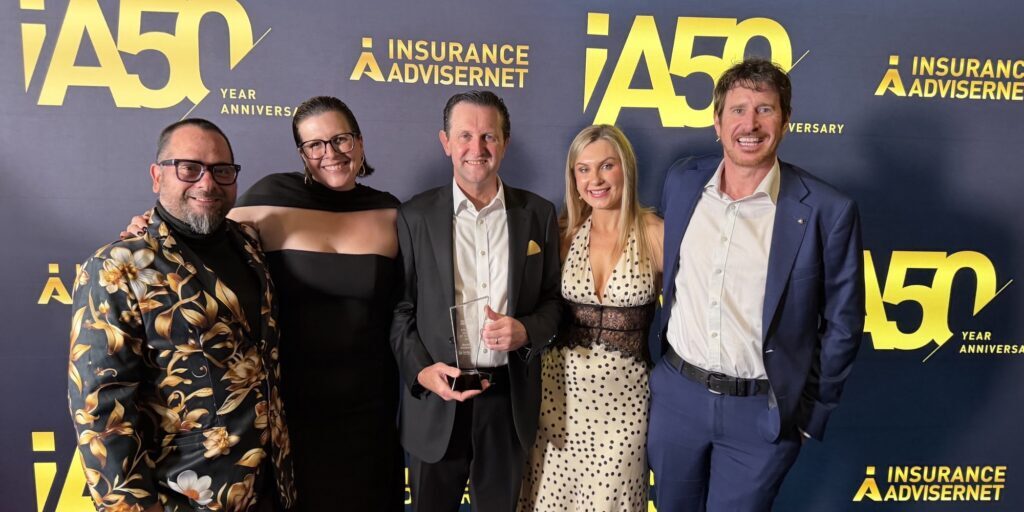
Berkley Insurance Australia Named Specialist Insurer of the Year for the Fifth Consecutive Year

Global Supply Chain Contagion: Product Recall Risks for the Australian Importer

Why Clinical Trial Insurance Is More Critical Now Than Ever